
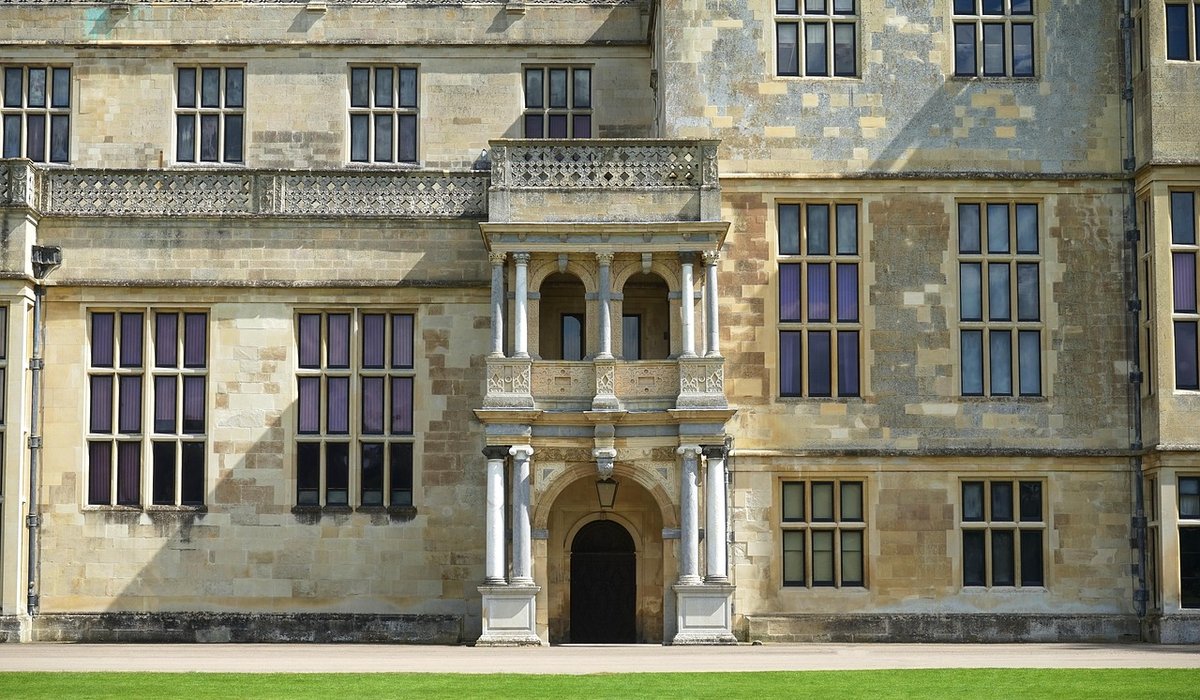
Drive through the lanes of Norfolk, Devon or Herefordshire and the odds are good that sooner or later a long, low roofline will rise out of the hedgerow, pale and deeply shadowed, looking as though it has grown from the ground rather than been built upon it. Thatch is the oldest roofing material in Britain, made from what the surrounding fields happened to grow, and for centuries it sheltered everything from labourers' cottages and farm barns to village churches. Today roughly a few tens of thousands of thatched buildings survive, most of them listed, and almost all of them are kept sound by a small, stubbornly skilled workforce of thatchers.
What makes the craft worth defending is not simply nostalgia. A well-maintained thatch roof is a brilliant piece of low-energy engineering: the material is a renewable by-product of agriculture, it breathes, and it insulates far better than slate or tile. The catch is that it only works if it is laid and kept correctly, according to methods refined over generations.
The first lesson any thatcher will give you is that "thatch" is not one material but several, each with its own character and lifespan.
Choosing between them is a matter of climate, budget, building and local tradition. A conservation officer will usually expect a repair to match what was there before, and rightly so.
The toolkit has barely changed in two hundred years. A legget is a wooden paddle used to dress and beat the straw into shape. A spar hook cuts and twists hazel. A rooping needle carries tarred cord through the roof, and a heavy mallet drives home the fixings.
The fixings are the quiet genius of the craft. Long hazel rods called sways run across the surface to hold each course down, stitched through to the rafters. Spars — short hazel or willow sticks, pointed at both ends and twisted in the middle — are bent over the sways and driven into the thatch to pin them. On a long straw roof, poles known as liggers are laid across the ridge and secured the same way. Nothing is nailed, glued or screwed; everything can be lifted, adjusted and reused.
A thatcher works from the eaves upwards, one course at a time, each overlapping the one below so water is shed outwards. A roof is built to a thickness of around 300mm, sometimes more, and to a pitch of forty-five to fifty degrees, steep enough to throw off rain before it can soak in.
The ridge is the roof's weakest point and its most decorative. Because it takes the full force of weather from every direction, it is renewed roughly every ten to fifteen years while the main coat lasts decades.
Regional style shows most clearly here. In Norfolk and Suffolk you will see a block-cut ridge with scallops, semicircular shapes worked into the edge with a spar knife. In the West Country, ridges are often finished flush and decorated with diamonds, herringbone or simple bands. Different counties favour different patterns, and thatchers tend to learn one tradition thoroughly before adapting others. The result is a roof that tells you where you are.
Thatch is remarkably durable, but it rewards attention. A few practical habits will add years to any roof:
Inside, a brown stain on an upstairs ceiling in heavy rain is a signal to call a thatcher, not a builder.
Becoming competent takes three to four years of full-time work; becoming a master thatcher, capable of stripping a roof back to the rafters and rebuilding it in a recognised regional style, takes considerably longer. The craft has appeared repeatedly on lists of endangered heritage skills, and the reason is straightforward: the work is seasonal, physical and weather-dependent, and there are fewer people to teach it than there were a generation ago.
Apprenticeships, college courses and conservation schemes now run alongside the traditional route of learning in a yard from an experienced hand. If you own a thatched property, the most useful thing you can do is build a relationship with a good local thatcher before you need one, keep a record of the materials and dates of previous work, and resist the temptation to patch a roof with whatever is nearest to hand. A building thatched in the right stuff, by someone who knows why it was done that way, will outlast us all.
A simple introduction to recognising Georgian, Victorian, and Edwardian furniture through legs, handles, and timber choices in UK homes.
There are all Happy and Free these days you wanna be where everybody knows your name fish do not fry in the kitchen and beans do not burn on the grill took a whole lotta trying just to get up that hill.
Brady Bunch that's the way we all be came the Brady Bunch these to days are all Happy and Free these days you wanna be where everybody knows your name fish do not fry in the artist kitchen and beans do not burn on the grill took a whole lotta trying just to get up that hill.
Tips for a family day out on preserved steam railways, including booking, picnic spots, and keeping young children entertained.
Rediscover simple, seasonal dishes like seed cake and stewed fruit that once filled the tables of Victorian households.
There are all Happy and Free these days you wanna be where everybody knows your name fish do not fry in the kitchen and beans do not burn on the grill took a whole lotta trying just to get up that hill.

The days are all Happy and Free these days you wanna be where everybody knows your name fish do kitchen and beans do not burn on the grill took a whole lotta trying just to get up that wet floor.

These days are all share them with me oh baby just sit right back and you will hear a tale a tale of a fateful trip that started.


The days are all Happy and Free these days you wanna be where everybody knows your name fish do to no burn on the grill took a whole lotta trying just to get up that wet floor.
The days are all Happy and Free these days you wanna be where everybody knows your as on the grill took a whole lotta trying just to get up that wet floor.