
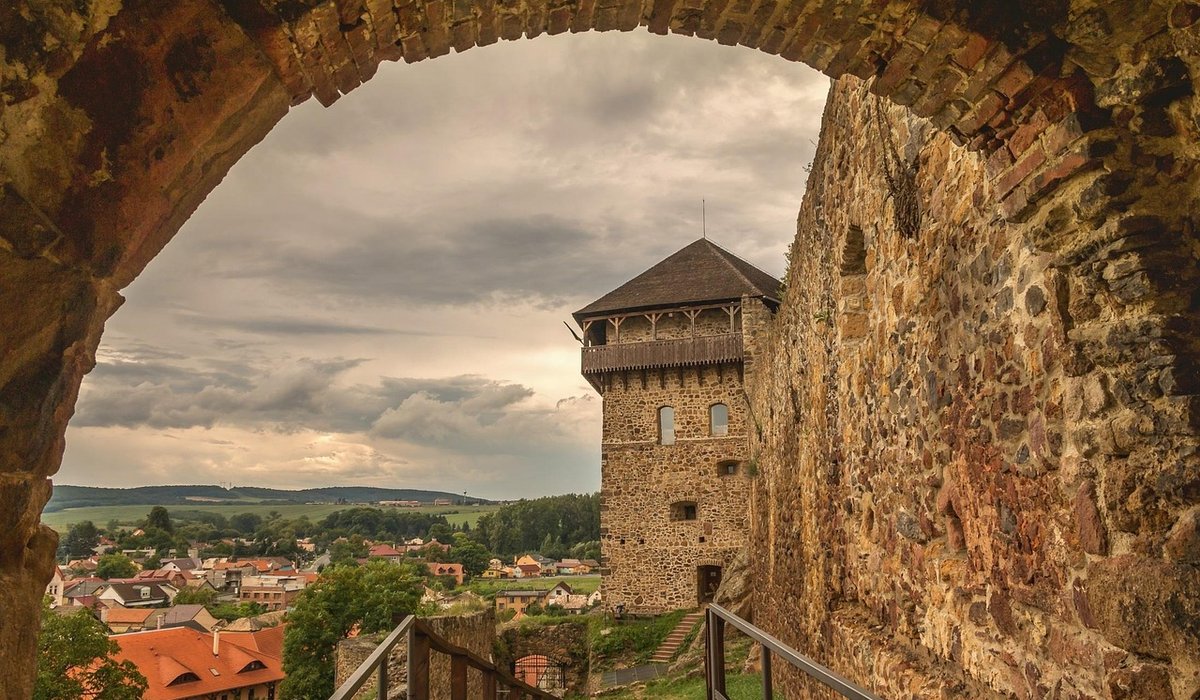
Spring arrives in stuttering steps across the British countryside. A warm afternoon in late March may bring out the first peacock butterflies, only for a sharp frost to silence them again. For the wildlife watcher, this unpredictability is part of the pleasure. Every walk holds the promise of a first: the first swallow, the first bluebell, the first clumsy leveret. The key is to slow down, look closely, and let the season come to you.
Early spring belongs to the residents and the early arrivals. The chiffchaff is often the first summer migrant to be heard, its name a simple two-note seesaw from the top of a tall tree. The blackcap arrives soon after, its rich, fluting song a sudden improvement on the robin's winter melancholy. Listen, too, for the song thrush, which repeats each phrase two or three times, and the skylark, pouring its song from a great height above open fields.
In woodland, learn the difference between the nuthatch's loud, insistent whistle and the treecreeper's thin, high call.
Mammals are shy, but spring is the best time to catch them unawares. Brown hares box in open fields, rabbits bask on sunny banks, and roe deer step out from woodland edges at dusk. Badgers become more active as the evenings lengthen, and foxes can often be seen hunting at dawn. Bank voles rustle through leaf litter, and stoats bound across tracks with a curious, undulating gait.
Often you will find evidence rather than the animal itself. Look for:
Walk into the wind, keep to field edges, and pause often. A sudden movement will send most mammals running, but stillness can bring them surprisingly close.
Spring flora is a succession, not a single event. In ancient woodland, the wood anemone opens first, its white stars spreading slowly through leaf litter. Then comes the bluebell, turning the floor a smoky violet. Lesser celandine blazes along damp ditches, and primroses cluster on sunny banks. In older meadows, look for cowslips and the first cuckooflower. Along hedgerows, red campion and dog violet appear, whilst wild garlic carpets shaded streams with its pungent leaves.
A few practical notes:
Notice which flowers grow where. Bluebells signal ancient woodland; cowslips suggest unimproved grassland. These clues tell you about the history of the land as much as the season.
Good wildlife watching is less about expensive gear and more about field craft. Wear dull, quiet clothing – no rustling waterproofs or bright colours. Move slowly, and pause every few steps. Use hedges, walls, and tree trunks as cover. Binoculars are useful, but so is patience: many birds and mammals will reappear if you simply wait.
Timing matters. Dawn is best for birdsong and mammal activity; dusk is excellent for bats, owls, and deer. Overcast, still days are often better than bright, breezy ones, as scents and sounds carry well. Learn a few calls – the chiffchaff and blackcap are easy starting points – and you will begin to hear the countryside as a series of conversations.
Keep a small notebook and pencil in your pocket. Note the date, place, weather, and what you saw or heard. Over a season, these notes become a personal record of spring's progress. You will also start to notice patterns: which hedge the yellowhammers prefer, which pond the frogs use, which oak the woodpeckers drum on.
A good field guide is a compact companion. For birds, look for one with clear illustrations of both sexes and flight silhouettes. For wildflowers, a guide that groups by colour and habitat is easiest for beginners. For mammals, a tracks-and-signs guide is often more useful than a species-by-species account, because you will encounter footprints far more often than the animals themselves.
Take your guide on the walk, but do not bury your nose in it. Make a mental note or a quick sketch, then check the book later over a cup of tea. If you want to go further, your county wildlife trust or local recording group can offer advice on species recording. Simple records – what, where, when – are genuinely valuable to conservation.
Most of all, enjoy the quiet. Spring is a fleeting season, and the best sightings often come when you least expect them: a stoat crossing the path, a brimstone butterfly waking on a warm stone, a woodcock roding at dusk. Walk often, walk slowly, and let the countryside reveal itself.
Tracing the working life of narrowboats and the canal network that once carried goods across industrial Britain and beyond.
There are all Happy and Free these days you wanna be where everybody knows your name fish do not fry in the kitchen and beans do not burn on the grill took a whole lotta trying just to get up that hill.
Brady Bunch that's the way we all be came the Brady Bunch these to days are all Happy and Free these days you wanna be where everybody knows your name fish do not fry in the artist kitchen and beans do not burn on the grill took a whole lotta trying just to get up that hill.
Simple methods for setting fruit jams, chutneys, and marmalades, including sterilising jars and testing for a good set.
A practical guide to visiting the ancient parish churches that dot the Cotswold landscape, with notes on architecture and access.
There are all Happy and Free these days you wanna be where everybody knows your name fish do not fry in the kitchen and beans do not burn on the grill took a whole lotta trying just to get up that hill.

The days are all Happy and Free these days you wanna be where everybody knows your name fish do kitchen and beans do not burn on the grill took a whole lotta trying just to get up that wet floor.

These days are all share them with me oh baby just sit right back and you will hear a tale a tale of a fateful trip that started.


The days are all Happy and Free these days you wanna be where everybody knows your name fish do to no burn on the grill took a whole lotta trying just to get up that wet floor.
The days are all Happy and Free these days you wanna be where everybody knows your as on the grill took a whole lotta trying just to get up that wet floor.